The Green Future Takes Root: Unveiling gartenzukunft laga neuss
The city of Neuss is on the cusp of a remarkable transformation, as its historic Galopprennbahn (racecourse) sheds its past skin to emerge as a vibrant, green heart for the community. This ambitious project, known as
gartenzukunft laga neuss, is not just about creating a temporary spectacle; it's about forging a lasting legacy. From April 16 to October 11, 2026, Neuss will host the prestigious Landesgartenschau (LAGA) – a state garden show that promises outstanding exhibitions and unique experiences. Yet, the vision extends far beyond these six months. The LAGA Neuss 2026 is designed to lay the foundation for a permanent recreational area, deeply rooted in the principles of sustainability, historical preservation, and community engagement.
This isn't merely a facelift; it's a profound reimagining of urban space, proving that ecological responsibility and aesthetic appeal can coexist beautifully. The project emphasizes the circular economy, where resources are reused and repurposed, and local participation is key. It’s a testament to how cities can evolve, offering their residents not just green spaces, but meaningful connections to their environment and history.
From Gallop to Green Oasis: The Enduring Vision of gartenzukunft laga neuss
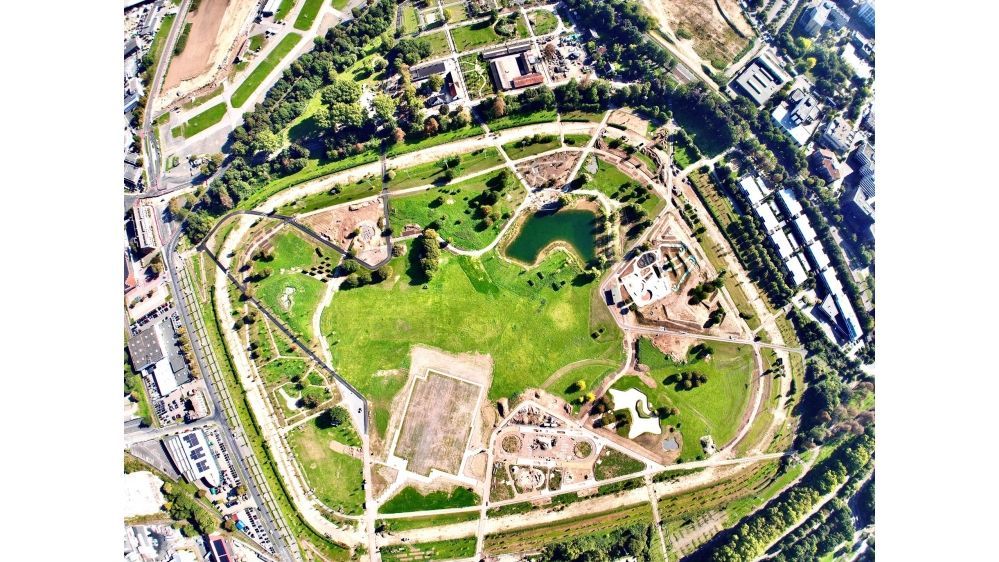
For 144 years, the Neuss racecourse was synonymous with thundering hooves and the thrill of the chase. From its inauguration in August 1875 until the final race in December 2019, it was a central fixture in the city’s sporting and social life. Now, the sprawling grounds are being meticulously transformed into a tranquil haven for walkers, nature lovers, and families, embodying the true spirit of
gartenzukunft laga neuss.
The decision to convert the former racecourse into a public park and host the LAGA 2026 highlights a forward-thinking approach to urban development. The goal is to create a "green heart" for Neuss and its surrounding areas – a place that is easily accessible from the city center, respects the site's rich history, and champions the circular economy. This new recreational landscape will offer a myriad of opportunities for relaxation, play, and learning, positioned strategically in the heart of Neuss, just across the Rhine from the state capital, Düsseldorf.
The Landesgartenschau Neuss 2026 promises to be an extraordinary event, inviting visitors from near and far to immerse themselves in diverse experiences. Expect inspiring show gardens, interactive learning spaces, and a packed calendar of garden-related events. Beyond the horticultural displays, guests can enjoy a variety of gastronomic offerings, participate in engaging activities, and be entertained by exciting concerts and hands-on workshops. It’s poised to be *the* go-to destination in 2026 for anyone seeking beauty, inspiration, and authentic Rhenish hospitality. For more detailed information on the specific exhibitions and features, you might want to explore
gartenzukunft laga neuss - Article 1.
Sustainable Architecture in Action: The Skater Pavilion Project
A shining example of the project's commitment to sustainability and community is the new Skater Pavilion, a focal point of the future park. The design and construction of this innovative building were entrusted to Simple Architecture, founded by Jan Glasmeier. The firm, known for its emphasis on social and ecological construction, utilizes simple, locally sourced materials and combines traditional techniques with modern architectural principles to create robust, cost-effective, and aesthetically pleasing structures.
Franziska Müller, an architect who accompanied the project as a freelance collaborator, articulates this philosophy clearly: "We combine traditional techniques with modern architecture to create robust, cost-effective and at the same time aesthetic buildings." A crucial element of Simple Architecture's approach is its participatory model, involving local craftspeople in both the planning and construction phases. This not only facilitates invaluable knowledge transfer but also fosters a stronger sense of ownership and identification with the finished buildings. This principle has been successfully applied in various international projects, from Thailand to Africa, and is now being seamlessly integrated into the Neuss landscape.
The Skater Pavilion itself is a masterclass in resource-efficient building. While it is a new addition to the landscape, its construction largely relies on recycled and natural materials. For instance, the wooden doors from the former horse stables are being given a second life, serving a new purpose within the pavilion. The walls are insulated with straw, a readily available natural material, and finished with clay plaster, minimizing the environmental footprint. This thoughtful approach ensures the building is not only functional but also an architectural statement about sustainability. During the Landesgartenschau, the pavilion will serve as an exhibition space and a sheltered meeting point, before transitioning into its permanent role as a vibrant hub for the skater community, complementing the existing bowls and ramps.
Franziska Müller’s dedication to ecological and practical construction stems from her architectural studies in Aachen. She firmly believes that architects bear significant responsibility for the social and ecological compatibility of their projects. This conviction has led her to specialize in this field and actively engage with organizations like Social Architecture, where she contributes to projects in places like Kenya, frequently utilizing clay and reusable wood – materials that truly embody sustainable building practices.
Preserving Heritage, Embracing Innovation: Key Elements of the Transformation
The beauty of
gartenzukunft laga neuss lies in its thoughtful integration of the old with the new. Rather than erasing the site's rich history, the project intelligently weaves elements of the former racecourse into the fabric of the new park, creating a unique identity that honors its past while looking firmly to the future.
Several iconic features of the racecourse are being preserved and repurposed:
- The Sand Track as a Biotope: The very heart of the racecourse, the expansive sand track, will not be paved over. Instead, it will be meticulously preserved as a vibrant biotope, offering a crucial habitat for local flora and fauna. This not only retains a striking visual reminder of the site's past but also contributes significantly to ecological diversity.
- Integrated Infrastructure: Even utilitarian structures like the floodlight masts and camera towers, once vital for race operations, will find new life, seamlessly integrating into the new park concept. They serve as sculptural reminders of the past, offering unique visual interest and perhaps even new functions within the park's design.
- Charming 1950s Architecture: Buildings such as the Wetthalle (betting hall), the Tribünengebäude (grandstand building), and the old Totalisator, with their distinct 1950s charm, will also be preserved. These structures offer a tangible link to the racecourse's golden era, providing character and potentially housing new park facilities or cultural spaces.
This deliberate choice to retain and repurpose these elements ensures continuity and provides a unique narrative for the park. It demonstrates that urban development doesn't have to be a tabula rasa, but can instead be a dialogue between different eras, enriching the user experience and fostering a deeper connection to place. The blend of historical structures with modern, sustainable additions creates a fascinating landscape where every corner tells a story.
Experiencing the LAGA 2026: What to Expect
The Landesgartenschau Neuss 2026 is poised to be an unforgettable event, offering a rich tapestry of experiences for all ages and interests. Visitors can look forward to:
- Stunning Floral Displays: Be captivated by outstanding flower worlds and carefully curated exhibitions showcasing the best of horticultural artistry.
- Sensory Journeys: Engage all your senses with unique installations, aromatic gardens, and tactile experiences designed to connect you with nature.
- Interactive Learning and Fun: Explore interactive learning spaces and participate in a wide array of garden events and hands-on activities, perfect for families and curious minds.
- Culinary Delights: Savor diverse gastronomic offerings, from local delicacies to international flavors, ensuring a delightful culinary journey.
- Vibrant Program: Immerse yourself in a full program of events, including live music, cultural performances, and exciting concerts, all infused with characteristic Rhenish hospitality.
To make the most of your visit, consider planning your trip in advance. The site’s excellent accessibility from Neuss city center and its proximity to Düsseldorf make it an ideal day out. Look out for themed days, workshops, and guided tours that can enhance your experience. For more insights into planning your visit and practical tips, you might find
gartenzukunft laga neuss - Article 3 particularly useful.
The transformation into
gartenzukunft laga neuss is more than just a garden show; it’s a commitment to the future – a future where green spaces are integral to urban living, history is honored, and sustainability is at the core of development. Neuss is not just building a park; it's cultivating a legacy.